
An Opportunistic Feeder
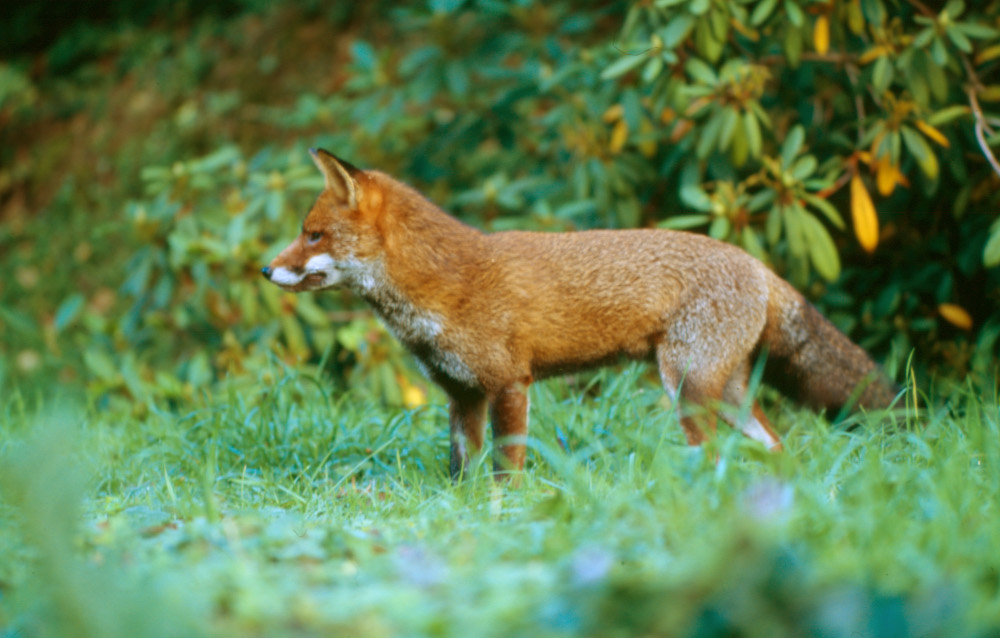
Adult foxes generally weigh between 2.2 and 14 kilograms, with males averaging around 7 kilograms. They are excellent hunters, especially of voles and field mice, making them valuable allies for farmers by helping protect crops from rodents. Legends have long portrayed foxes as sly predators capable of cunning tricks, such as forcing hedgehogs to uncurl by urinating on them. However, there is little scientific evidence to support such stories. In reality, a fox’s diet is far less strict than people imagine. Rather than being strict carnivores, they are true omnivores. In the autumn, they stuff themselves with blackberries and in the spring and summer months they enjoy eating berries, cherries, apples, pears, plums, etc. In eating their fill of these foraged food sources they help in the dispersal of many fruit species. It also proves their exceptional levels of adaptability where food is concerned, since they feed as much off small mammals or insects as they do the occasional unattended chicken (particularly during periods in which chicks are being raised) Hard to resist too, is fresh carrion they happen upon, which is easy and nourishing prey. And of course they won’t say no to a well-stocked bin if the occasion presents itself! In fact, it’s becoming more and more common to see them in cities, where they look for easy food sources as a consequence of nearby human activity.
Surprising Social Lives
Their capacity to adapt is not limited to their diet. Their social behaviour is equally flexible. Foxes are usually monogamous, though the male and female spend most of the year apart, coming together to raise their young. However, if food is plentiful, then they live together all year round. In fact, they may even create a small social group made up of several foxes. Like wolves, within these groups, or ‘skulks’, there is an alpha male and an alpha female who form the dominant breeding pair, while the other members of the group help raise their young.
As for accommodation, foxes live in dens. They can of course dig these for themselves, but it’s also another area in which their opportunistic nature is revealed, since they are equally fond of taking over empty badger setts. These are spacious, and can prove the perfect home for a variety of species (including bats). It’s even been reported on a number of occasions that some setts are home to not only a fox, but to rabbits at the same time! An unlikely house-share situation, in which predator and prey become roommates Some naturalists stand by the theory that in these situations the fox is simply holding on to his long-eared friend in case of an emergency food shortage… This would fit with the cunning nature foxes are known for. Indeed, with Mr Fox, you just never know…
Finally, in the depths of the winter night you may hear some strange high-pitched noises. Don’t panic! They’re just fox cries, signalling the beginning of the mating season. The arrival of their cubs is timed for early spring since, as many birds and other mammals would agree, it makes much more sense to be feeding your young when nature is at its most abundant. In spring and summer, if you listen carefully, you’ll hear the young cubs calling their mother…and she will always reply.
Threats to the Species
Despite their adaptability, foxes face numerous dangers. In many regions, they are still classified as pests and can legally be controlled throughout the year. Hunting methods range from shooting to trapping and terrier hunting, where dogs pursue foxes into their dens while hunters dig them out. This controversial practice can continue for hours, even with cubs present. However, attitudes are slowly changing, and many hunters now question the need for such population control, recognizing the fox’s ecological importance. However, in France around 500,000 foxes are still ‘culled’ every year.
Another factor responsible for the decrease in the number of foxes is sarcoptic mange. Due to a subcutaneous parasite which causes their skin to swell and their fur to moult, this very painful disease weakens the affected individual until, exhausted, they can no longer feed themselves. It’s extremely contagious and can wipe out entire populations in the context of an epidemic, until numbers can recover naturally. Road traffic is also another important factor, which is responsible especially for the deaths of many juveniles exploring their territory for the first time.
As is the case for all wild animals, if you find a lost fox cub it’s important to contact an animal welfare centre and not try to raise the cub yourself. Remember, a fox is a wild animal, and is therefore unpredictable. To eventually survive successfully in the wild, young foxes must learn natural behaviours in an environment as close as possible to the one they would experience with their family.
Translation: Tilly O'Neill
