
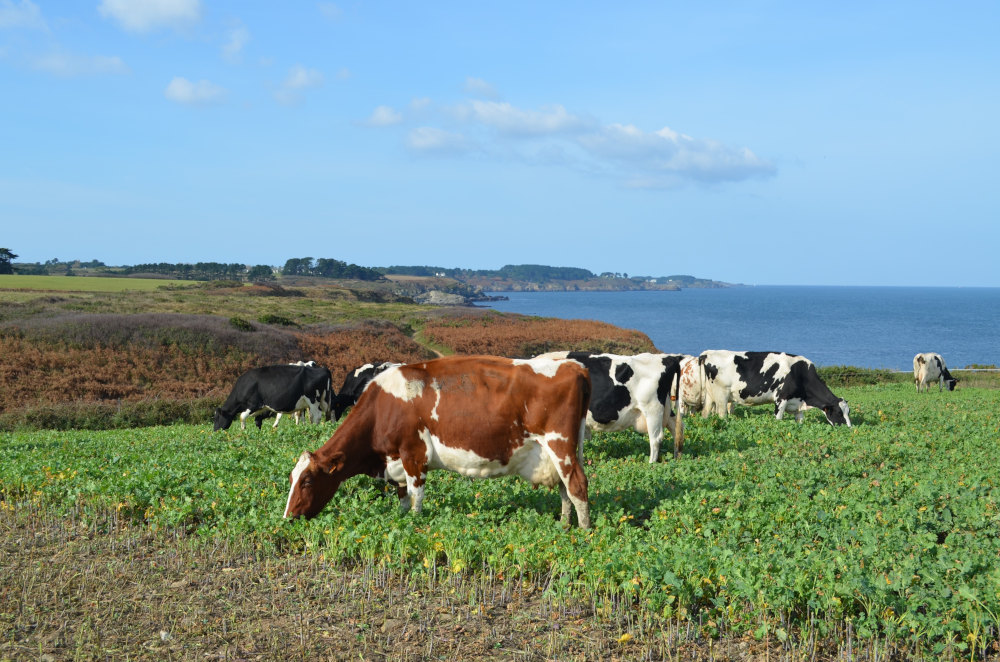
There are sixteen islands off France’s west coast with municipal or intermunicipal status: from north to south they are Bréhat, Batz, Ouessant, Molène, Sein, Groix, Belle-Île-en-Mer, Houat, Hoëdic, Île-aux-Moines, Arz, Noirmoutier, Yeu, Ré, Aix and Oléron. All have been a haven for farming activity for several centuries. This subsistence agriculture, alongside commercial farming on the larger islands, has played a significant role in shaping the organisation of the land, as well as the social lives of islanders. However, insularity alone cannot determine the agricultural future of these islands. Other social, political, economic and even pedoclimatic factors also come into play.
Historian Dominique Guillemet offered an island categorisation system based on the characteristics of the agricultural activities of each island from the 17th to the 19th centuries. He distinguished the islands of Noirmoutier, Ré and Oléron, where farmers, salt workers and winegrowers were active, from Belle-Île-en-Mer, where polyculture and animal farming were the principal activities, with a great variety of farm sizes. On the other islands, the male workforce gradually turned towards maritime occupations, including fishing, merchant seafaring and naval service. This resulted in an almost entirely female agricultural workforce, primarily engaged in subsistence farming.
''Threshing on Ouessant", 1967. A film by Jean-Pierre Gestin. Cinémathèque de Bretagne archives / Dielloù Gwarez Filmoù Breizh
In the 20th century, agricultural activity on all the islands went through a prolonged spatial and demographic decline, in some cases disappearing altogether. Several factors contributed to this marginalisation: the division of properties; dependence on maritime transport; relative socio-economic isolation; the general rural exodus and a decline in the number of people taking up farming as a profession; rising household incomes; the modernisation of living conditions, including consumption and storage practices; and growing competition for land as a result of the development of tourism.
However, since the 2000s, the decline in agricultural activity has gradually eased on the islands. The size and number of farms have stabilised, and are even increasing on some islands. The recognition of the multifunctionality of agriculture, growing societal demand for more local food provision, and renewed interest in farming as a profession are helping to legitimise the presence of agricultural activity once more. At the intersection of this revival and these long-standing and distinctive agricultural trajectories, contemporary island farming systems can now be grouped into three categories.
Long Supply Chain Islands
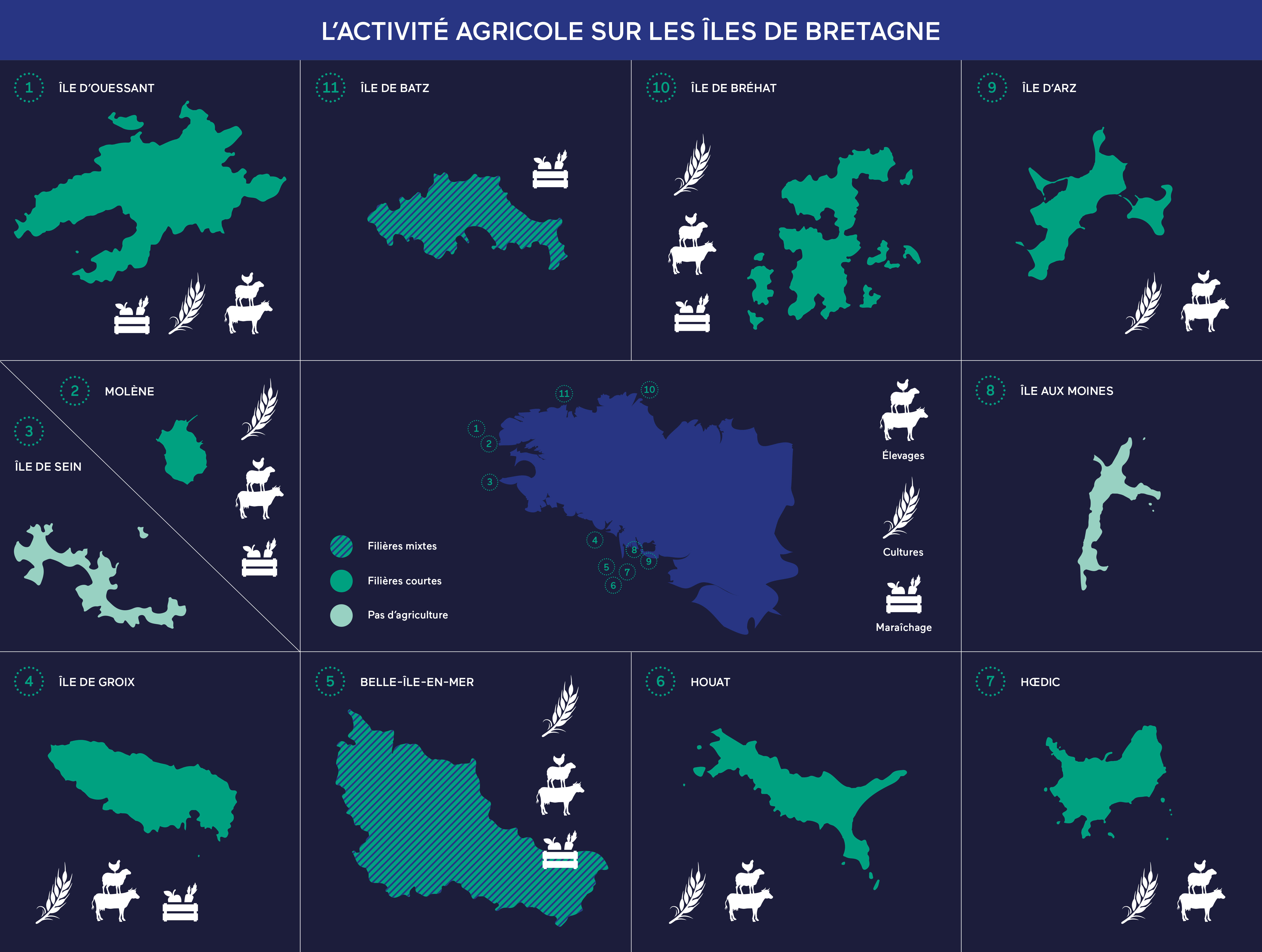
The first category comprises the islands of Batz (29), Noirmoutier (85) and Ré (17). Characterised respectively by their specialised production of vegetables, potatoes and vines, the agricultural businesses on these islands have relatively homogeneous profiles and, for the most part, are organised around a cooperative model.
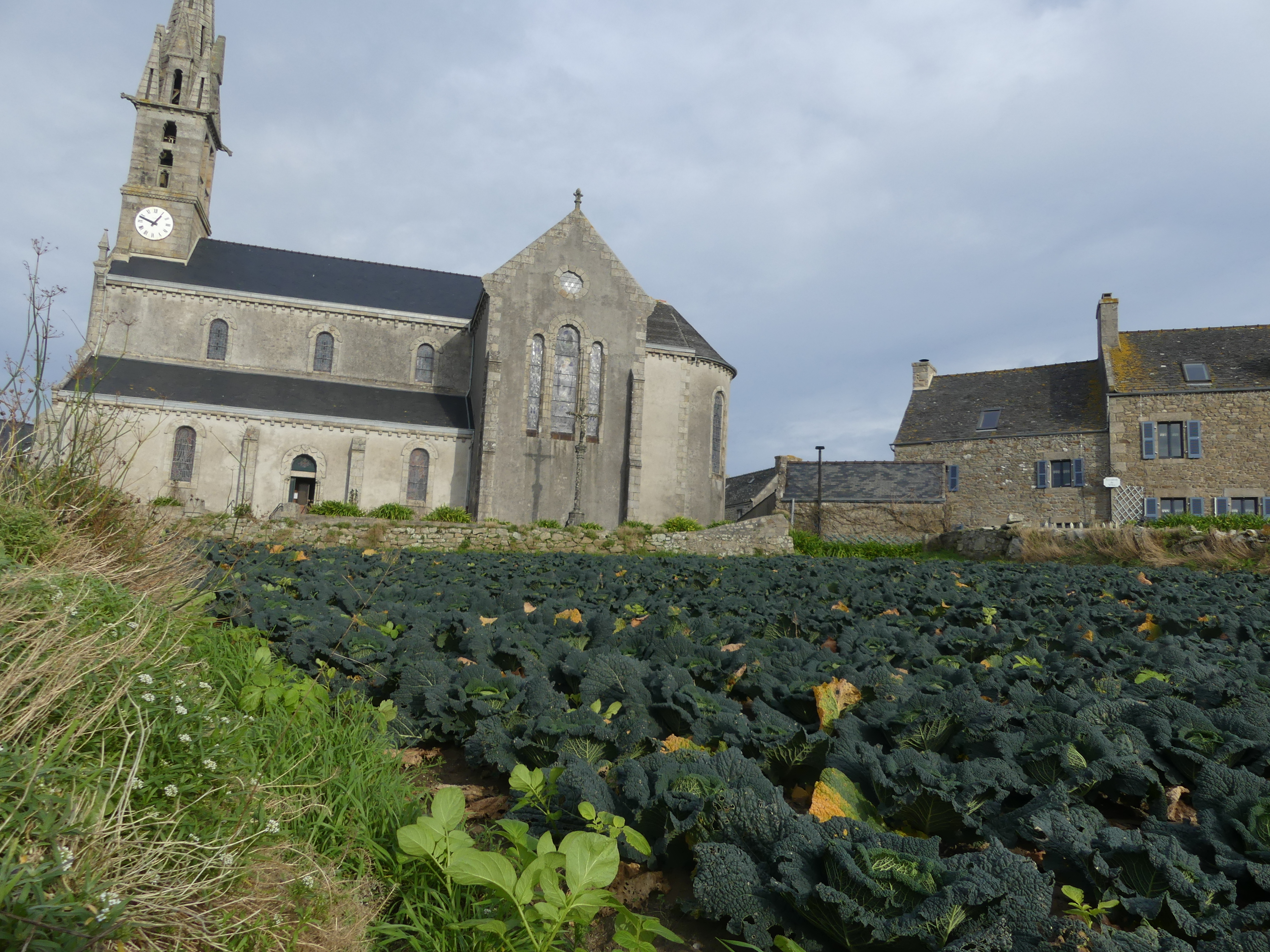
Produce is mainly sold through intermediary markets off the island, which place value on its geographical origin. However, wine is strongly favoured for local consumption during the tourist season.
On these islands, the trend is towards increasing farm sizes and greater mechanisation of agricultural work. Agricultural workforces remain unstable. Most farmers are originally from the island and take over farms within a family setting. Alongside this dominant farming model, some farms with more diverse production and shorter supply chains may also exist.
Short Supply Chain Islands
This category includes the islands of Bréhat (22), Ouessant (29), Molène (29), Groix (56), Houat (56), Hoëdic (56), Arz (56), Yeu (85) and Aix (17). Agricultural production is diverse, encompassing cattle, sheep, pig and poultry farming, market gardening, viticulture, aromatic herbs and medicinal plants, as well as arboriculture.
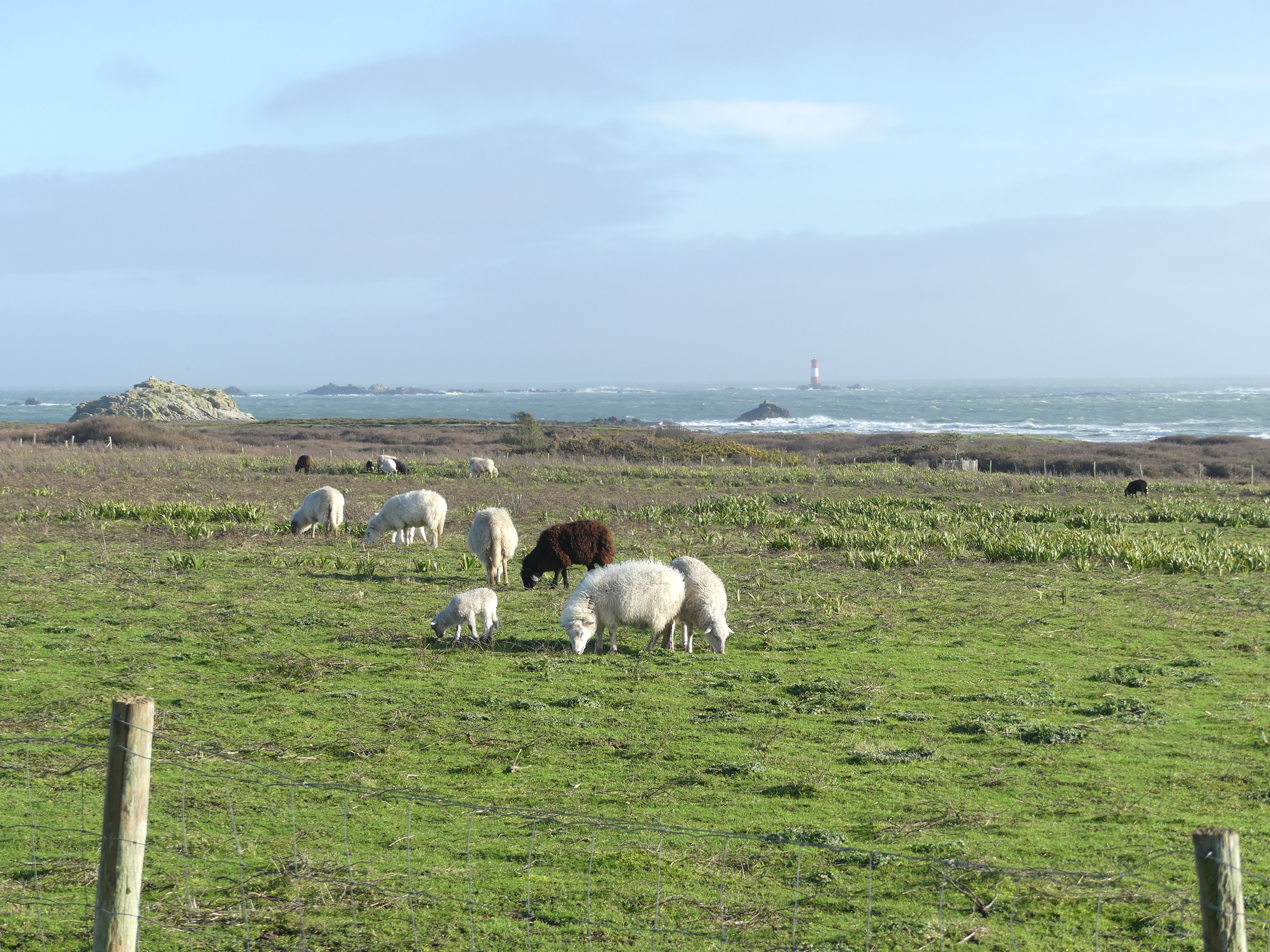
Farmers often add value to part of their production through on-site processing and market it via short supply chains, including farm shops, open-air markets, consumer networks and associations, restaurants and delicatessens. These activities depend on seasonal tourism and points of sale on the mainland. Some farmers are also developing agritourism opportunities, such as farm visits, on-site accommodation and educational activities.
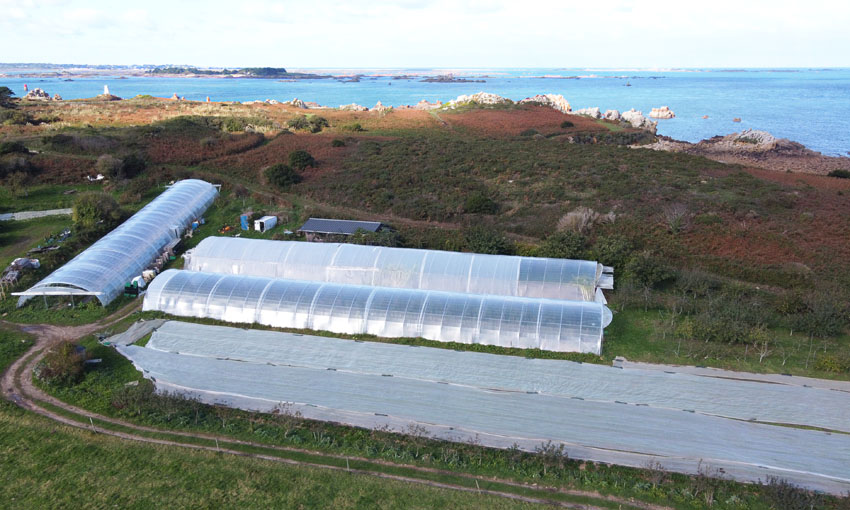
Although the number of professional farmers has always been small, it is growing. The majority do not come from farming backgrounds or from the islands where they have established their farms, although there are of course exceptions. The stability of farms and farming families is not always easy to maintain, given the precarious nature of access to land and property. When several farmers establish themselves on the same island, they do not necessarily form a united group. However, many informal exchanges do take place.
There is currently no professional farming activity on Île-aux-Moines or the Île de Sein, although Île-aux-Moines could readily fall into this category. By contrast, the challenging pedoclimatic conditions on the Île de Sein offer fewer opportunities for farmers.
Mixed-Model Islands
This third category includes Belle-Île-en-Mer and Oléron, known as mixed-model islands because of the coexistence of long supply and short supply chain farming. The traditional forms of production on these islands (wine on Oléron and livestock farming on Belle-Île-en-Mer) remain the main activities in terms of employment and are still symbolically important. However, they now coexist with other forms of production, diversifying the range of local produce available. Both long supply chains and short supply chains are equally common among farming businesses. The islands are home to short supply chain initiatives including a farm shop and quality-labelled lamb, mutton and beef on Belle-Île-en-Mer, and a farmers’ association supplying restaurants and promoting local produce on Oléron.
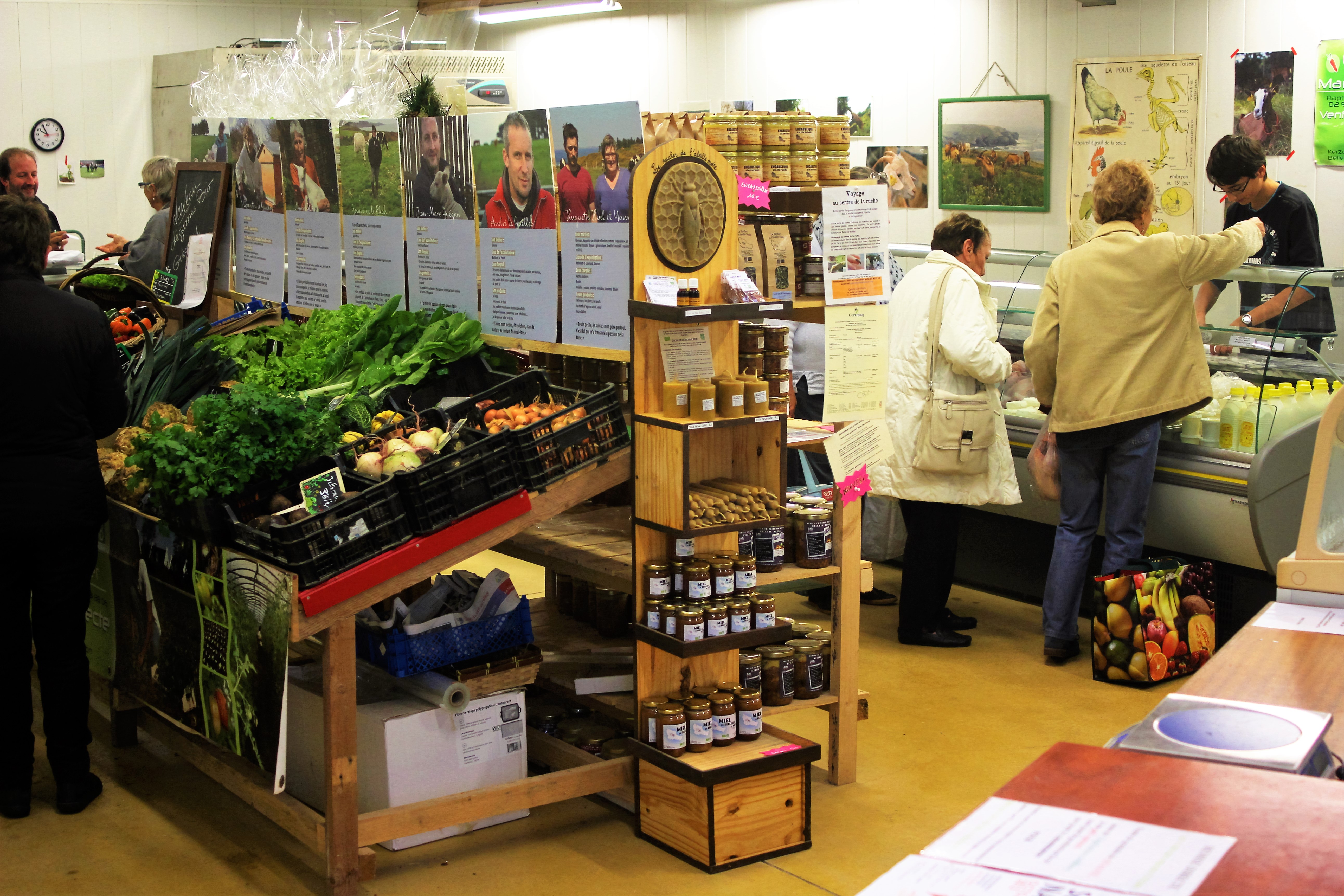
These forms of organisation around short supply chains do not exist on the other islands. Those starting a new farming business or taking over an existing farm may be the descendants of established island farming families or, where there are no family ties, are generally newcomers to the island. The career paths and professional activities of local farming families and newcomers are more closely intertwined than on the islands in the specialised production category.
Today, these farming models face many common challenges: access to land and agricultural property has become more difficult due to property speculation; access to housing is challenging for both young islanders and newcomers; there are conflicts over land use and property boundaries; regulations relating to environmental and land protection are complex; and the logistical organisation and additional costs associated with maritime transport create further difficulties. Farmers must also address the challenges of generational renewal and the agroecological transition within the context of the fragility of island societies. Several of these challenges also affect mainland coastal farming areas. However, they are exacerbated on islands by the limited and finite nature of available land, as well as by the small size of island communities, where knowing one another continues to play a central role.
Translated by Tilly O'Neill
