

[This article is taken from content published in July 2024 on the Champs Libres website where you will find hundreds of other resources linked to Brittany’s heritage]
“A female workforce! An impious and sordid notion…”
Under the Napoleonic Code of 1804, women were effectively treated as legal minors throughout their lives, placed under the authority of their fathers, then their husbands, and - once employed - their employers. Until the early 20th century, they could not work without their husband’s consent. A law passed in 1907 granted them control over their own wages, but it was not until 1965 that they were permitted to have their own bank accounts. Wages, particularly in factory work, were too low to earn a decent living, since they were viewed as a supplement to the income of the male head of household. Nevertheless, for many young women from modest backgrounds, industrial work offered a pathway to a degree of independence. From 1914 onward, the legal working age was set at 14. Though modest, these earnings represented both a promise of personal freedom as well as, to some, an opportunity to contribute to their family’s household expenses.
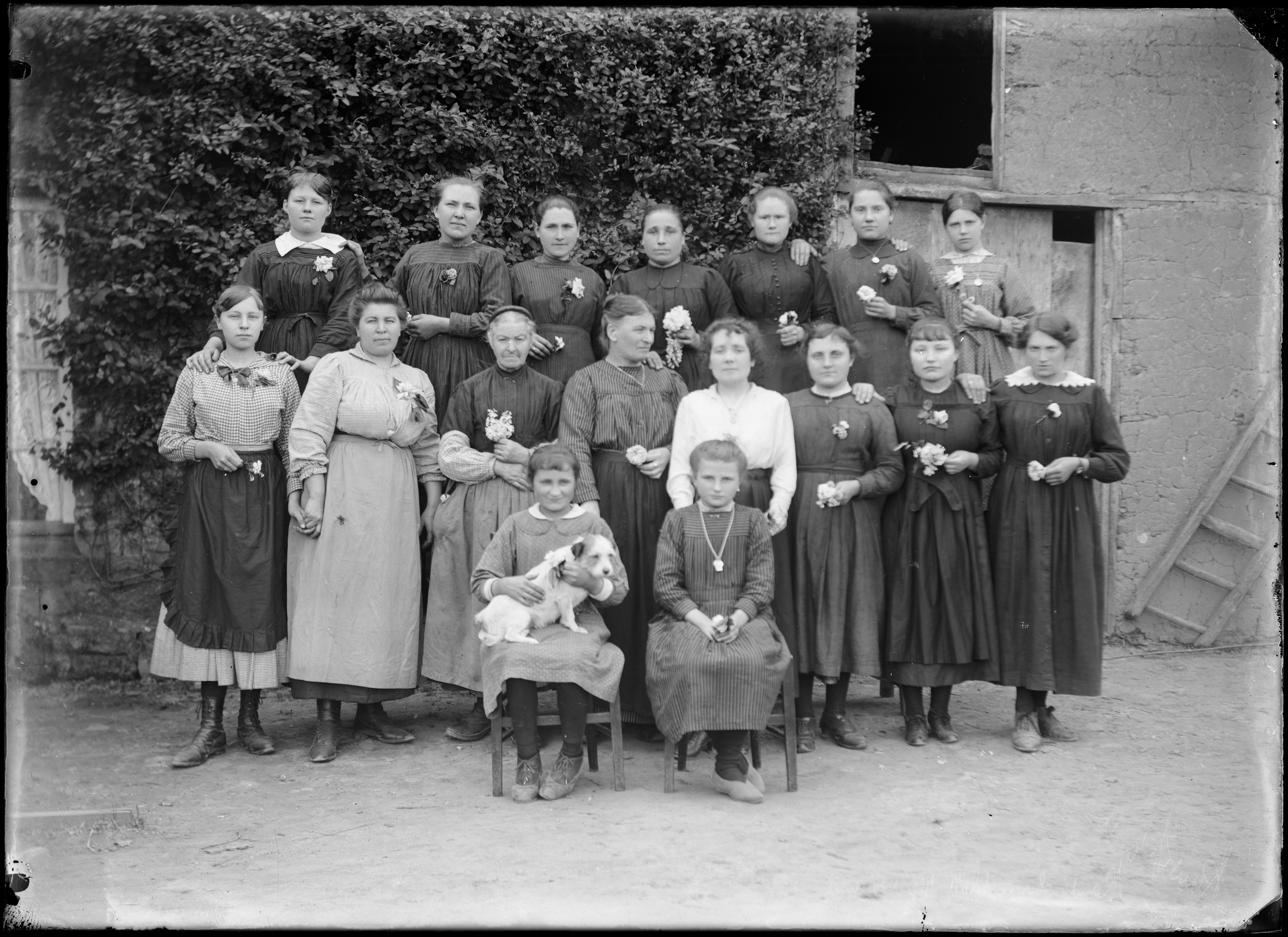
This newly-acquired independence through factory work also provoked some very negative reactions. From 1840 onward, the figure of the female factory worker became a subject of intense debate, particularly in relation to morality and economic organisation. While not always central to broader discussions regarding women, the issue brought attention to their independence, legal status, and role in society. In general, women working in factories - especially if unmarried - were seen as incompatible with accepted moral standards. They were often burdened with a reputation for moral laxity. Historian Jules Michelet (1798–1874) wrote: “The female workforce! An impious and sordid notion! No nation has ever heard of it; no era before this new age of iron could have conceived of it! And yet it is said to be responsible for our so-called progress!"
Compliance rewarded over undervalued qualifications
Was it in fact due to such expressions of indignation that for many years economists, historians and sociologists believed that before this great period of capitalist industry, women workers did not exist? Statistics and observations may show that the introduction of machinery did increase the number of women employed in the industrial sector, but it is also true that in the 18th century women were already contributing to the standardised production of certain products, particularly textiles. These women worked to order, and from home.
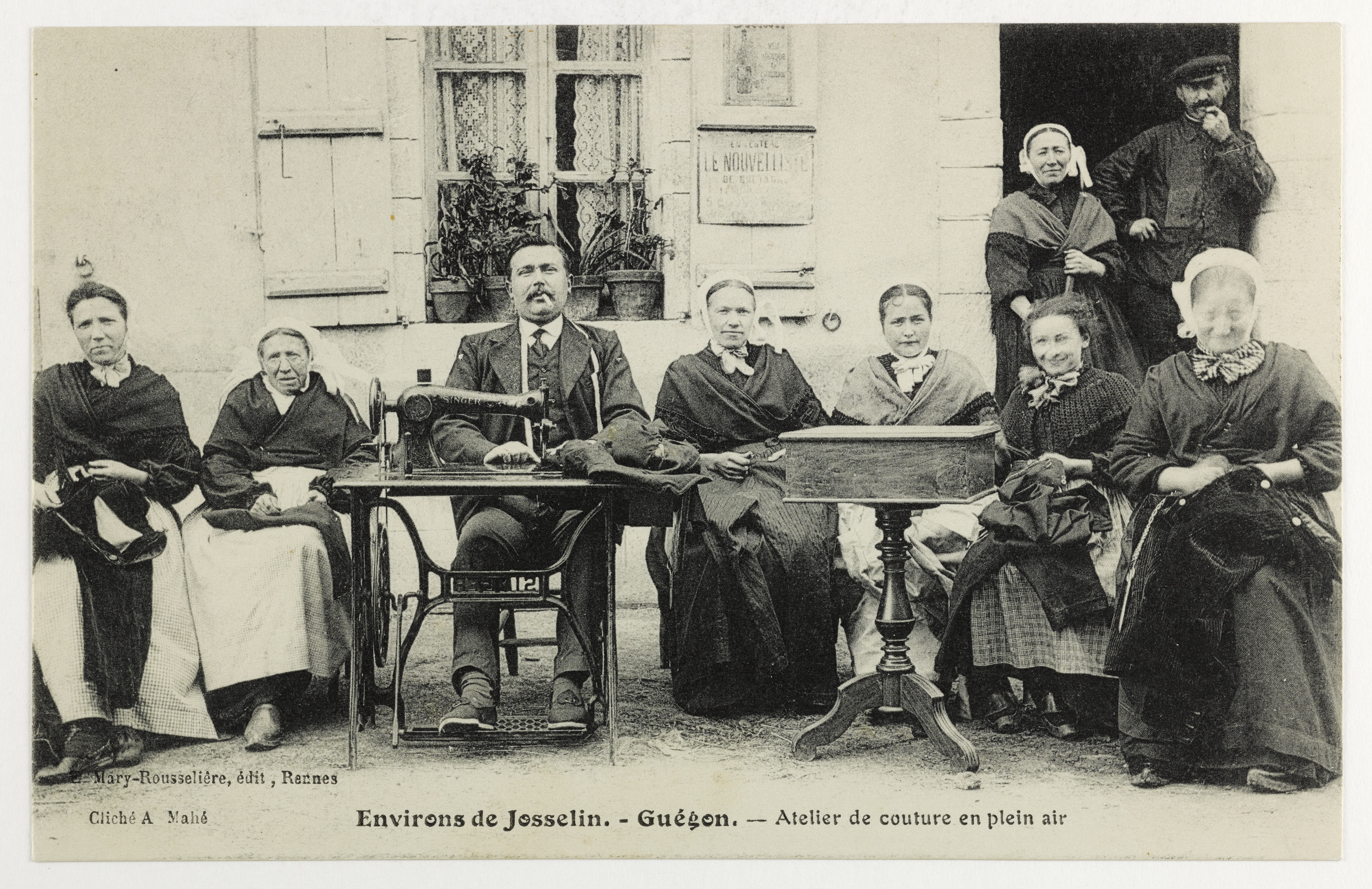
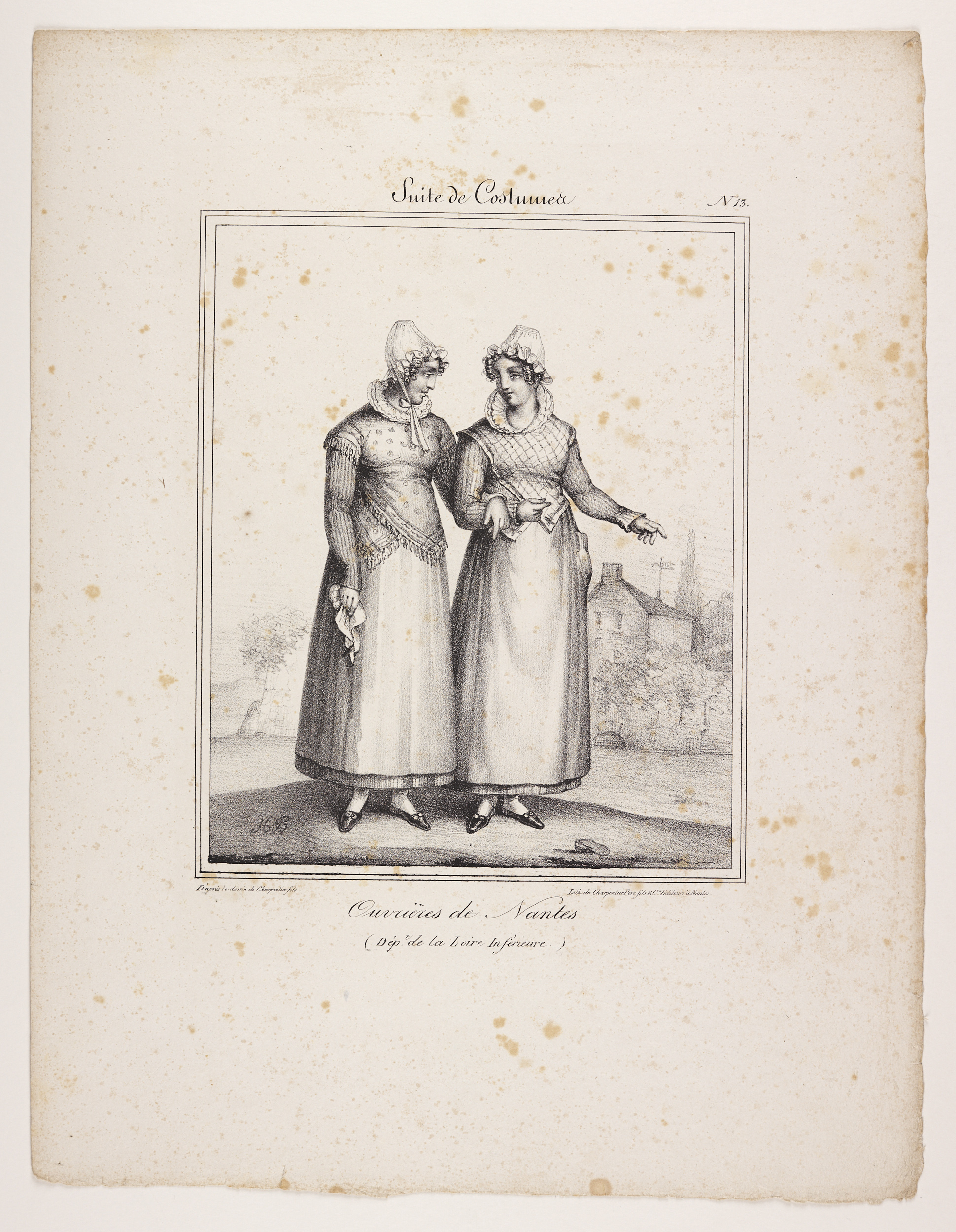
It was the entrepreneurs’ drive for greater profitability which brought these women out of their homes and into the factories. In fact, even before the Revolution, the linen and textile industries brought in a large number of female workers, especially in Nantes. These women artisans demonstrated huge capacity for adaptability within their workplaces where they suffered significant inequalities and their work was closely supervised.
As industrialisation accelerated, women’s presence in factories grew, yet their work was increasingly undervalued. While most male workers could rely on skills and autonomy - the cornerstones of a worker's identity - this was largely denied to women. Gender clearly played a decisive role: women were excluded from skilled work, or assigned tasks that were going through a process of devaluation, allowing factory owners to pay them the lowest wages possible.
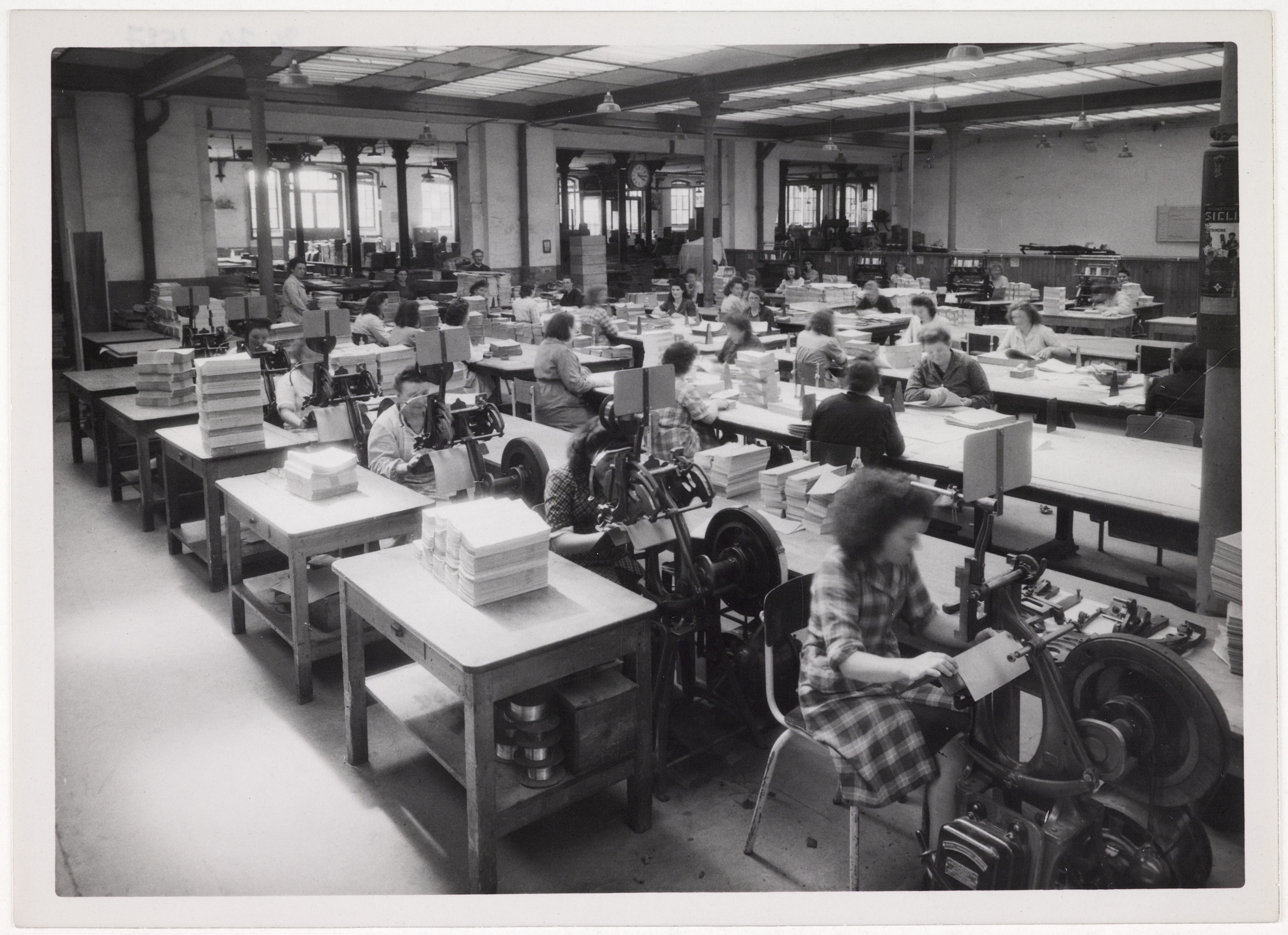
For instance, at the Oberthür print works, women were initially restricted to folding, gluing, assembly, and binding tasks. These jobs demanded both dexterity and speed, with workers handling roughly one tonne of paper per day. Over time, mechanisation, technical advances, and the inclusion of female workers in the company’s apprenticeship school enabled them to operate certain machines, such as sewing, pasting and folding equipment, and to work on assembly lines (Kolbus chain). A few exceptional employees even became typotes, a feminine abbreviation of typographer, working with both Monotype and Linotype systems.
Until the early 20th century, women in the clothing industry, though employed by entrepreneurs who paid them between 0.75 and 1.50 francs per day, were still required to supply their own needles and thread. Their working day typically lasted 12 houts, from 7am to 7pm. This situation was not new. As early as the 19th century, the sardinières employed in the canning industry were known as some of the lowest-paid female workers in France. In 1905, those in Douarnenez went on strike to demand hourly wages, and in 1924 they mobilised again for higher pay. Fishermen and construction workers (all male) soon followed suit.
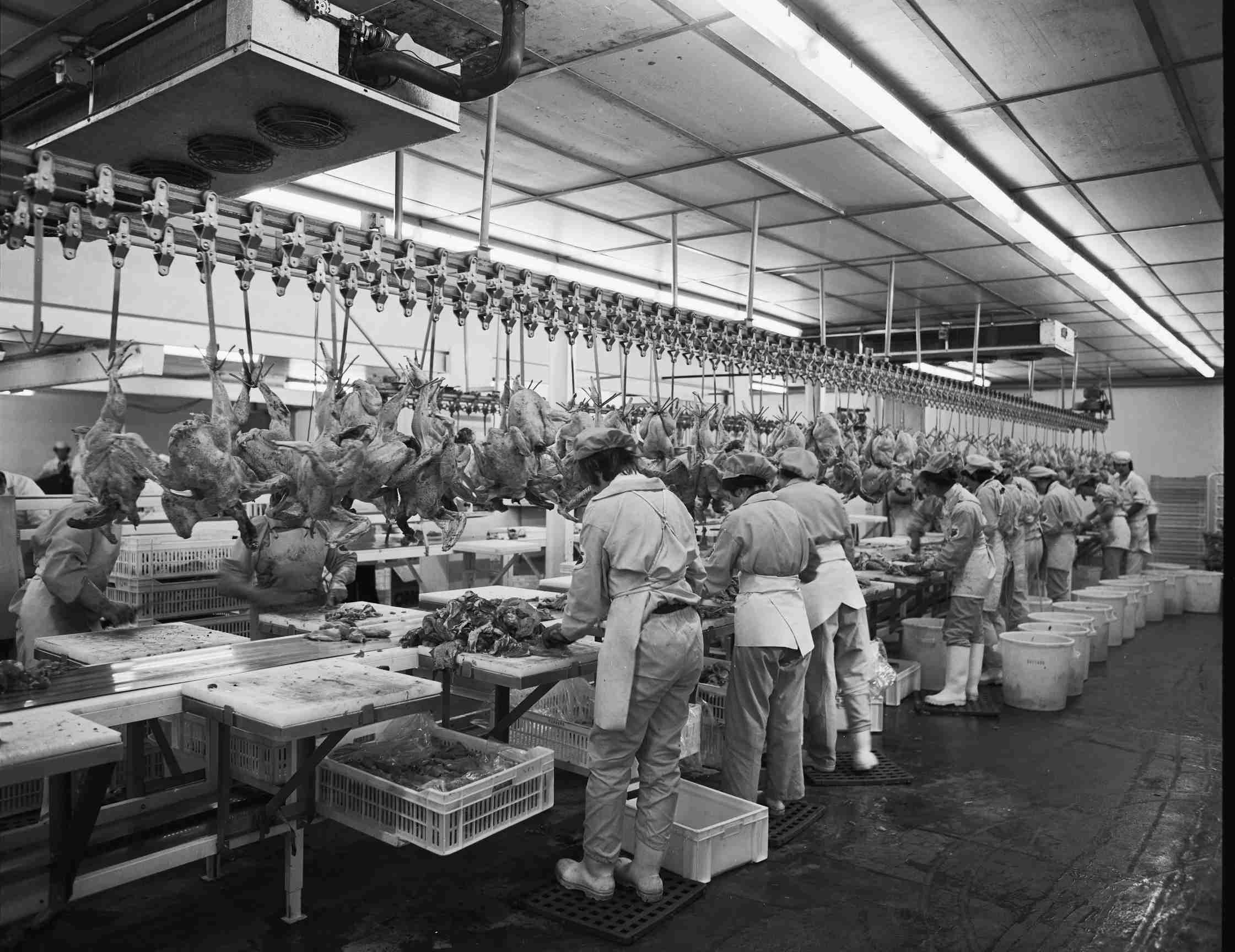
Today, despite progress, significant disparities remain in terms of pay and status within companies, and true gender equality has yet to be achieved. In the food processing industry, a 2013 study revealed a pay gap of around 20%.
The slow integration of women into the workers' movement
Throughout the 19th century, worker identity was very much masculinised, a trend reinforced by trade unions composed exclusively of men. It was not until the turn of the century that women began to participate in workers’ movements, mainly through mutual aid societies. Although the 1884 law legalising trade unions did not formally exclude women, it required them to obtain their husbands’ consent until 1920. Even then, women’s professional work was not fully recognised by all unions, as many male workers believed their place was in the home and viewed them as unfair competition due to their lower wages.
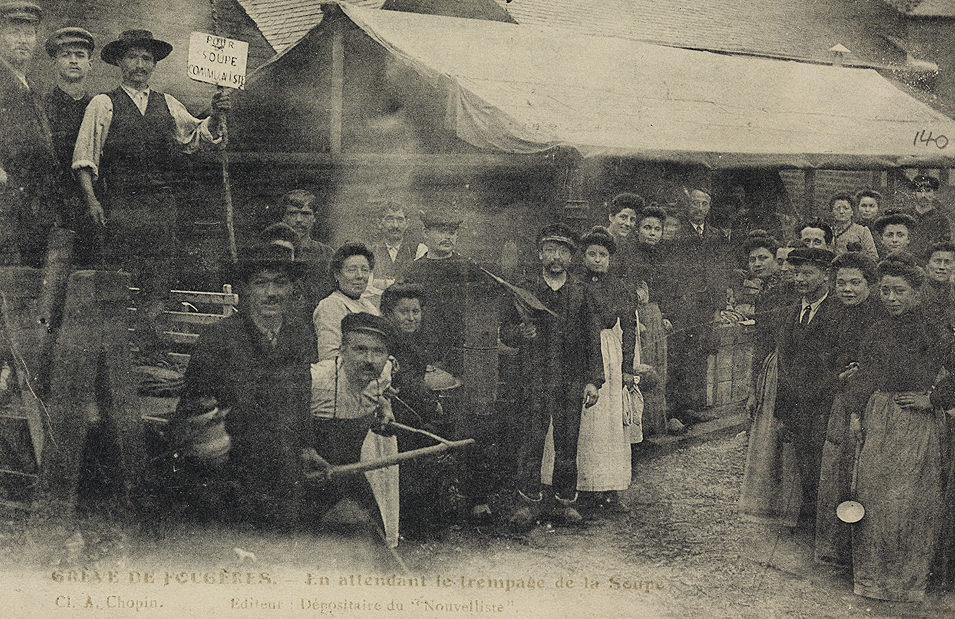
During the major social conflicts of the early 20th century, women, despite being workers themselves, were often confined to supporting roles alongside mobilised male workers, notably by preparing soupes communistes - meals cooked and shared collectively during prolonged strikes. This was not new: from the early 19th century onward, women had frequently shown solidarity with their husbands during strike periods. However, it would be misleading to interpret their limited presence in unions and workers’ organisations as a lack of resistance. On the contrary, their significant occupational mobility demonstrates a refusal to submit to established constraints. As such, mobility has long been, and remains, one of the simplest forms of resistance available to women workers.
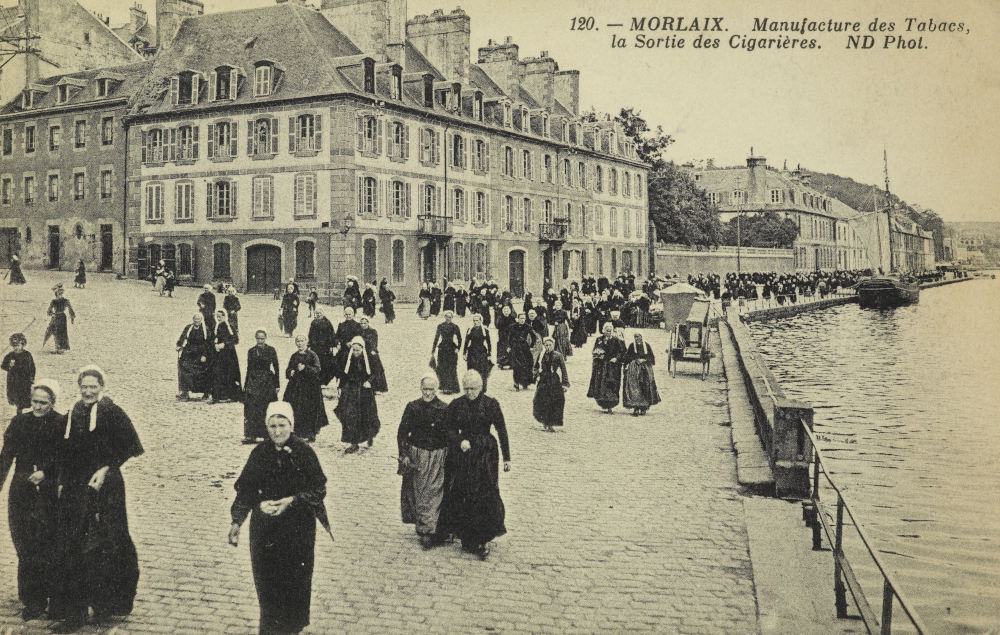
In the 1860s, this high level of mobility had a particularly strong impact on the tobacco industry. Between 1857 and 1861 in Nantes, nearly 85% of female workers left their jobs! Most of these workshops employed around 15% skilled men, hired for their technical expertise (such as mechanics or carpenters) or for their physical strength (labourers). Amongst the female employees there was also a job hierarchy, with the robeuses (experts in wrapping cigars with tobacco leaves) at the top, and the écouteuses (responsible for removing the central vein of the leaf and cutting it into halves) at the bottom .
Last to be hired, first to be fired
With the exception of a few major cities and port areas, Brittany did not undergo significant industrialisation until the period between 1955 and 1975. During these years, urban expansion and rural exodus driven by the modernisation of agriculture combined to create a predominantly female working class that was young, unskilled, poorly paid, rarely unionised, and unaccustomed to collective action. Women were primarily recruited into sectors such as food processing, textiles, electronics, and telecommunications, often in small towns that lacked the established working-class culture found in industrial centres like Brest, Lorient, Rennes, or Nantes.
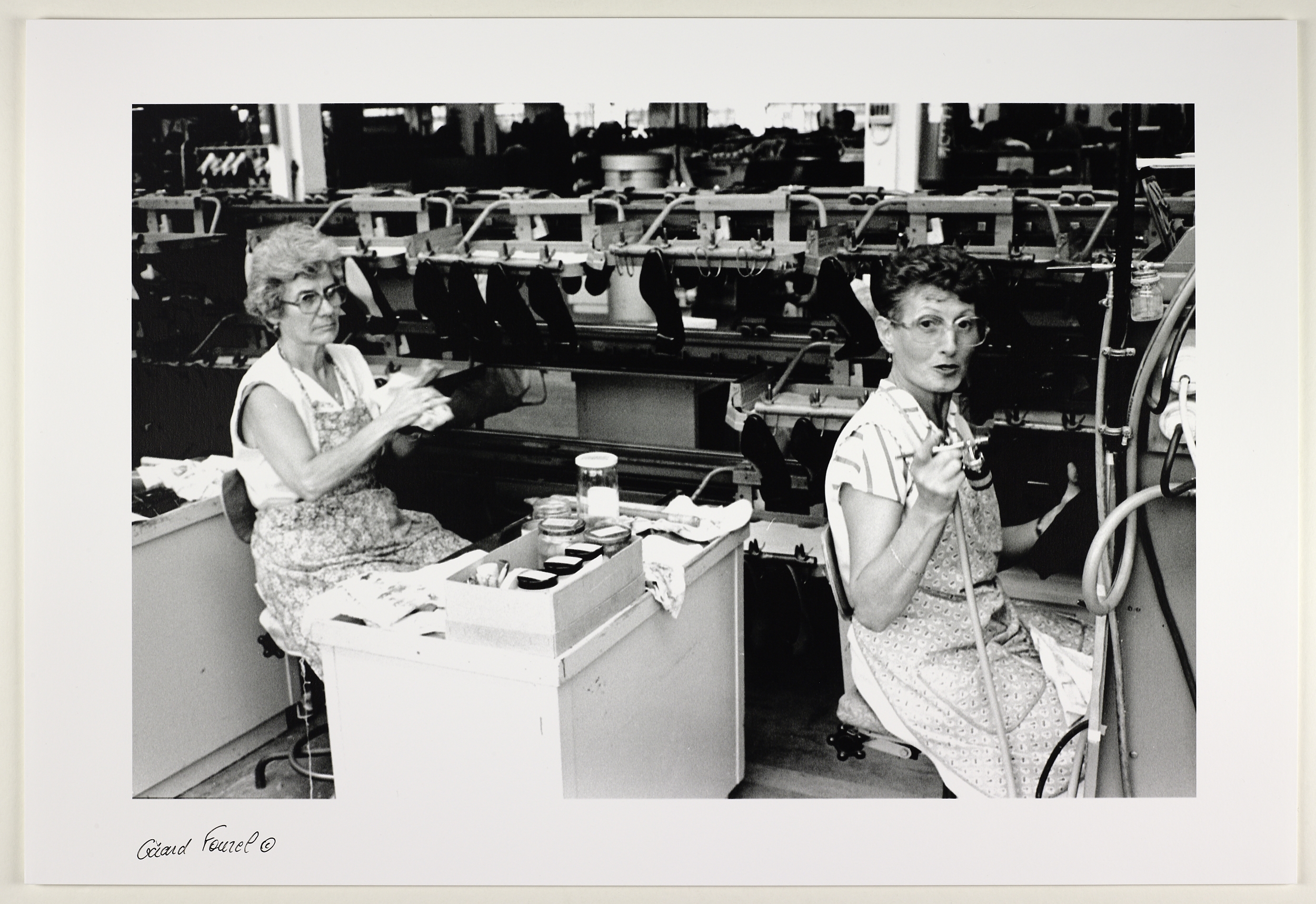
In the 1950s, the JB Martin factory, established in 1921, produced 5,000 shoes a day. 1,200 people, mainly women, worked there during the 1970s.
The economic crisis of 1973 sounded the death knell for many industrial sectors across France. In Brittany, some companies attempted to reinvent themselves, but the vast majority did not survive, particularly in textiles and footwear. For example: the Mont Carmel factory in Saint-Brieuc, Transocéan in Brest, the Réhault shoe manufacturer in Fougères, and the lingerie company SPLI, which had factories in Chantepie, Fougères, Saint-Brice, Ploërmel, and Châteaugiron. It was only much later, and with far greater difficulty than their male counterparts, that women began to assert themselves. Trade unions and political parties eventually made room for them and supported their demands, particularly regarding equal pay and professional training.
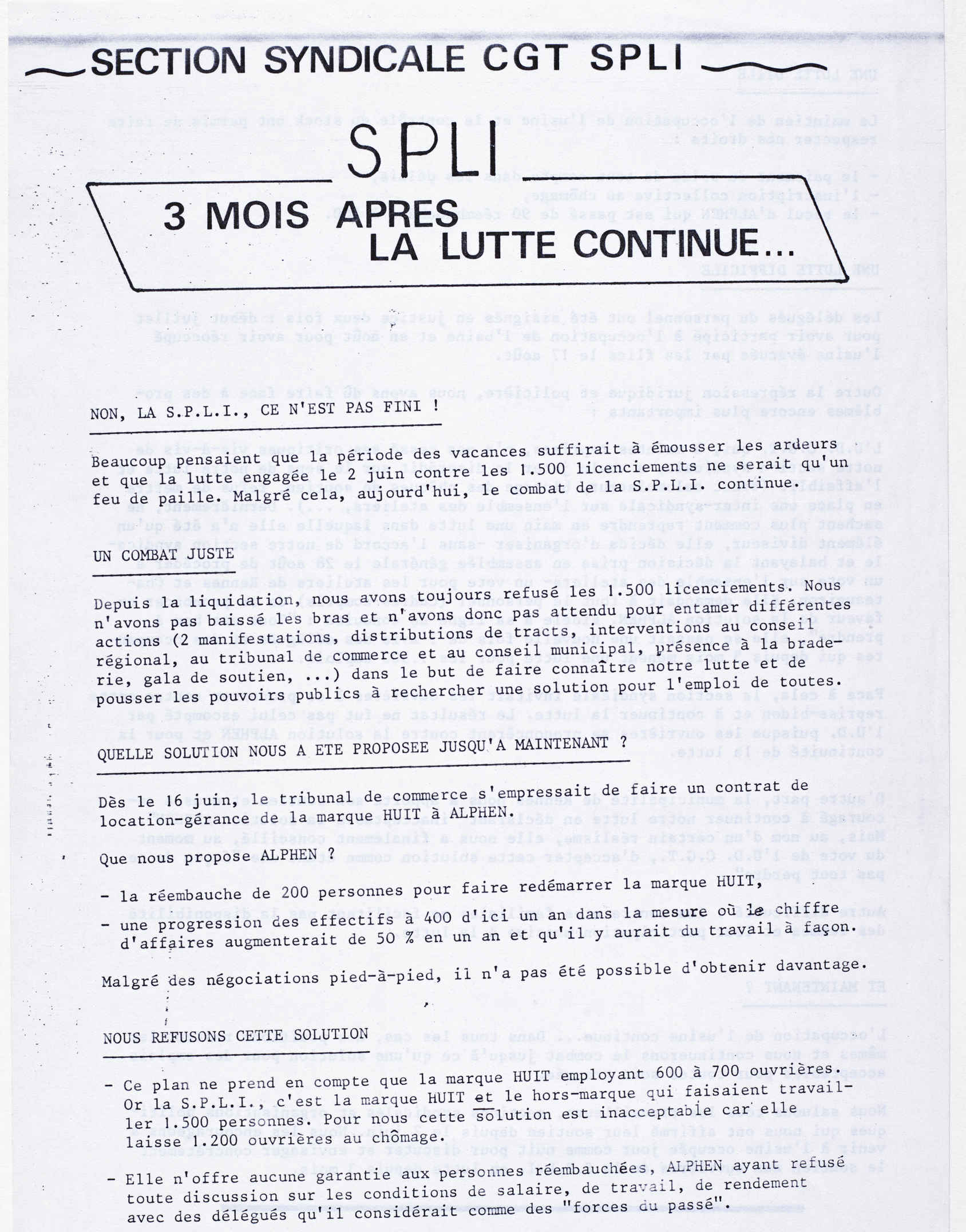
SPLI, which specialised in the production of underwear, hosiery, dressing gowns, and swimwear, employed nearly 1,500 people in the 1970s, almost all women, most of whom were trained at the technical learning centre in Rennes. Wages were low, and working conditions were challenging. On 31 May 1978, the company declared bankruptcy, and two days later it went into administration. In response, a group of employees decided to occupy the factory in protest against the layoffs. The occupation continued throughout the summer.
In the 2000s, many factories continued to close, affecting a large number of employees, particularly women. The food processing industry has been especially hard hit, as seen in the 2003 closure of the Fleury-Michon factory in Plélan-le-Grand and the announced 2024 closure of Saupiquet in Quimper. The lives of factory workers remain overshadowed by the constant threat of unemployment. To retrain a whole generation of women who have only worked with their particular machinery and equipment remains a challenge.
Translated by Tilly O’Neill
